
Equine + Nature-Assisted Social Work
Nature informed.
Practice informed.
Research informed.
MISSION
To advance equitable, embodied, and nature-informed social work education — so that every practitioner, wherever they practice, can bring more of themselves into relationship with the people and systems they serve.
What is ENASW?
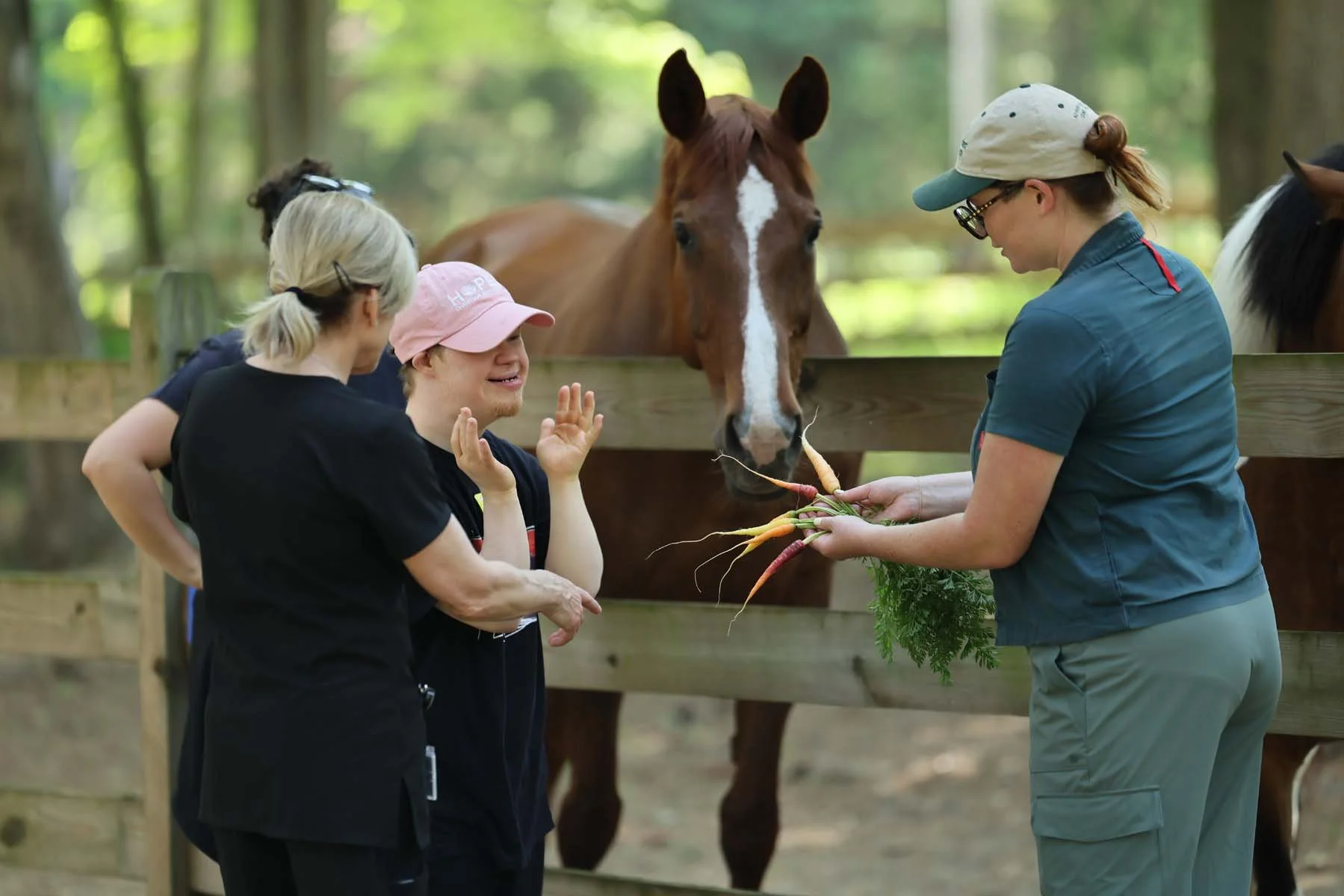
Equine + Nature-Assisted Social Work (ENASW) is a principle-based practice framework that brings the insight of the horse and the wider natural world into social work practice, expressed through five interconnected pillars.
It is a social work approach where somatic awareness, relational presence, and nature-informed practice are core competencies — not electives.
These competencies apply across every level of practice — in an office, a school, a community center, or on a farm.

"Nature has always been our oldest teacher."
The ENASW Framework
The lenses through which the insight of the horse and the natural world enter everyday practice.
FIVE PILLARS
Theory
The frameworks ENASW is grounded in, and how they explain non-verbal connection.
Ethics
ENASW ethical commitments: dignity, equity and welfare - for people and animals alike.

Connection
Why relationship is central to growth.

Environment
Why the natural world belongs inside social work's oldest framework.

Practice
How ENASW teaches — and why its settings are learning environments in their own right.
Join our email community to receive more information and references related to the five pillars of the ENASW framework.
VALUES
What guides the work.
-
ENASW belongs to every practitioner, regardless of geography or proximity to animals and nature. You don't need a farm, a herd, or a rural practice to apply this framework — its core insights travel into any office, school, or community setting.
-
Access to nature-informed education should not be determined by zip code or income. We're committed to expanding access to equine and nature-based knowledge so it reaches diverse communities, not just those with proximity or resources.
-
We believe growth happens within authentic, attuned relationships — among humans, animals, and the natural world. Mutuality, respect, and emotional safety guide every interaction, whether it's between practitioner and client, or human and horse.
-
Our work is grounded in peer-reviewed research, NASW ethics, and anti-oppressive practice. We hold ourselves to transparent, scientifically sound methods that protect participants and produce knowledge the field can trust and build on.
-
We learn from horses, from nature, from silence, and from each other. Curiosity keeps the framework alive — open to new questions, new evidence, and new ways of understanding what regulation, presence, and connection can look like.
-
Education that funds programs. Programs that generate research. Research that improves education. This isn't just a value — it's the regenerative cycle behind ENASW, ensuring the work deepens over time rather than depending on any single source.
WHY THIS MATTERS
Traditional social work education builds strong thinkers. But effective practitioners need more.
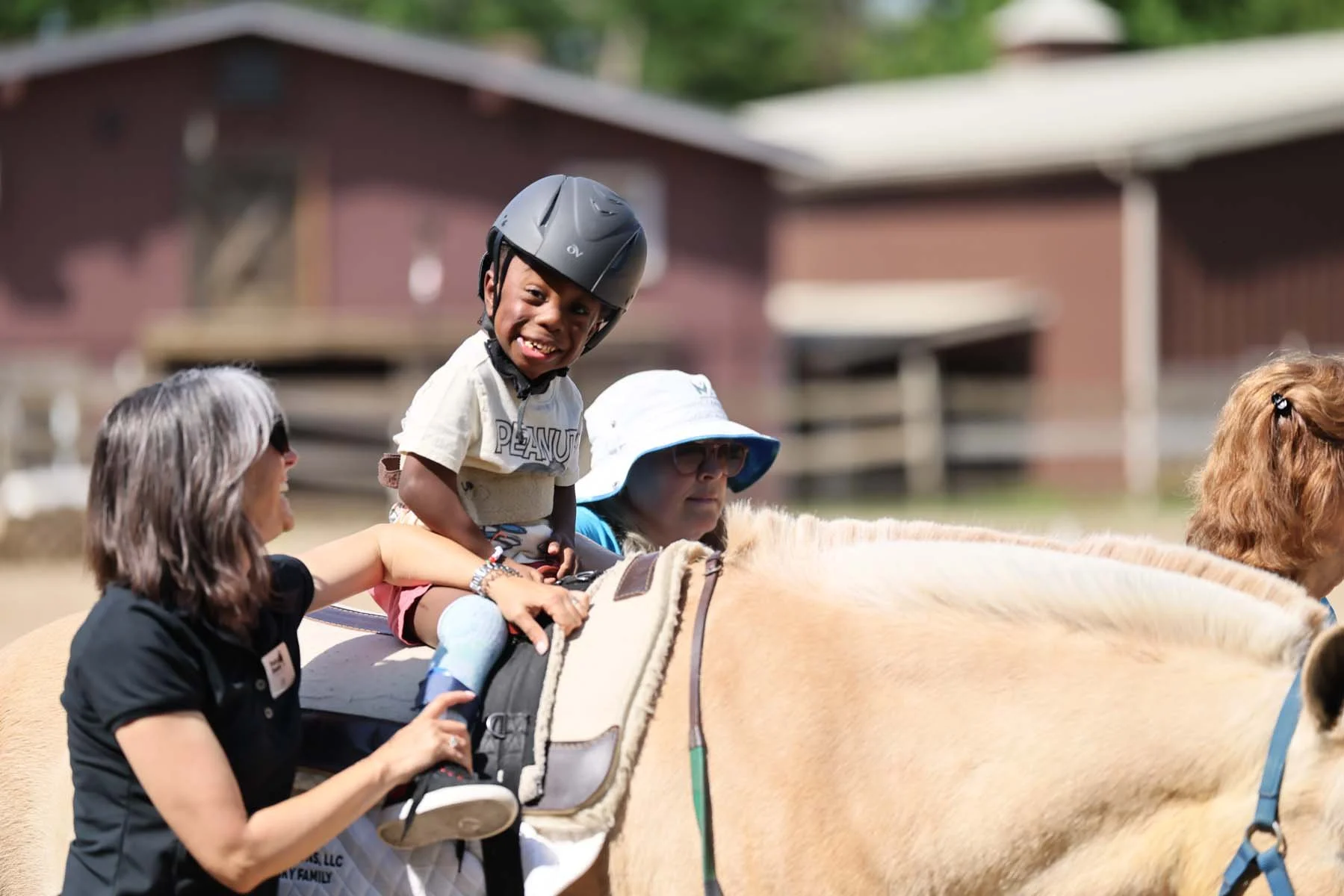
The ability to regulate their own nervous system. To attune to non-verbal communication. To hold silence without discomfort. To bring their whole embodied self into the client relationship.
ENASW gives you the framework, the language, and the practice to do exactly that — grounded in systems theory, polyvagal theory, attachment theory, and social work ethics, and applied through direct practice with horses and the natural world. This is education that changes not just what you do, but how you show up.
Research behind ENASW
ENASW was developed by Dana Spett, DSW, Founder and Executive Director of Pony Power Therapies. Dana also serves as social work faculty at Rutgers University and Smith College, and holds a research affiliation with Ramapo College. The work is supported by a research team, dedicated to expanding evidence-based practice and research for ENASW. Dana’s peer-reviewed publications (Spett, 2023a, 2023b; Spett et al., 2024) underlie the Theory and Ethics pillars above.
The Center's work translates years of hands-on experience with horses and the natural world — presence, boundaries, non-verbal attunement, and nervous system co-regulation — into a framework that travels anywhere.